Trade & Industry
July 10, 2026
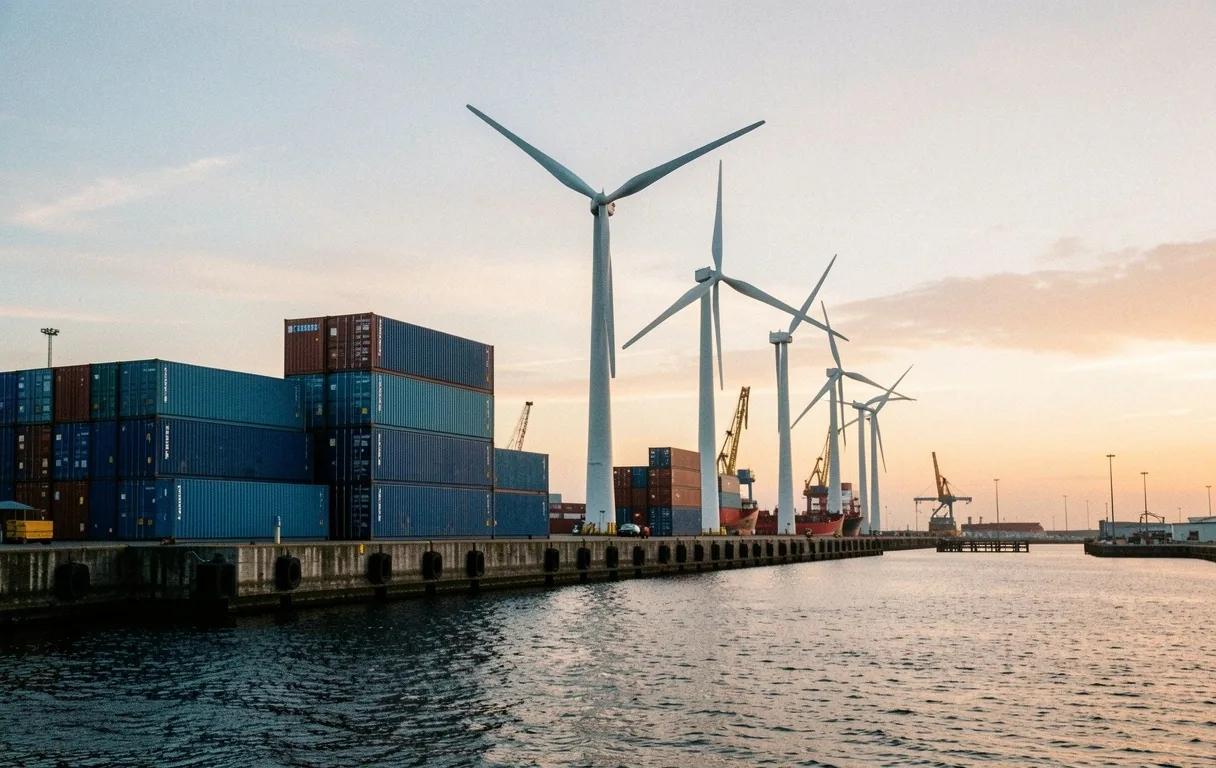
Port Infrastructure: The Esbjerg Expansion Act
Analyzing the funding loopholes and environmental objections staling the North Sea energy connectivity project.
View Entry
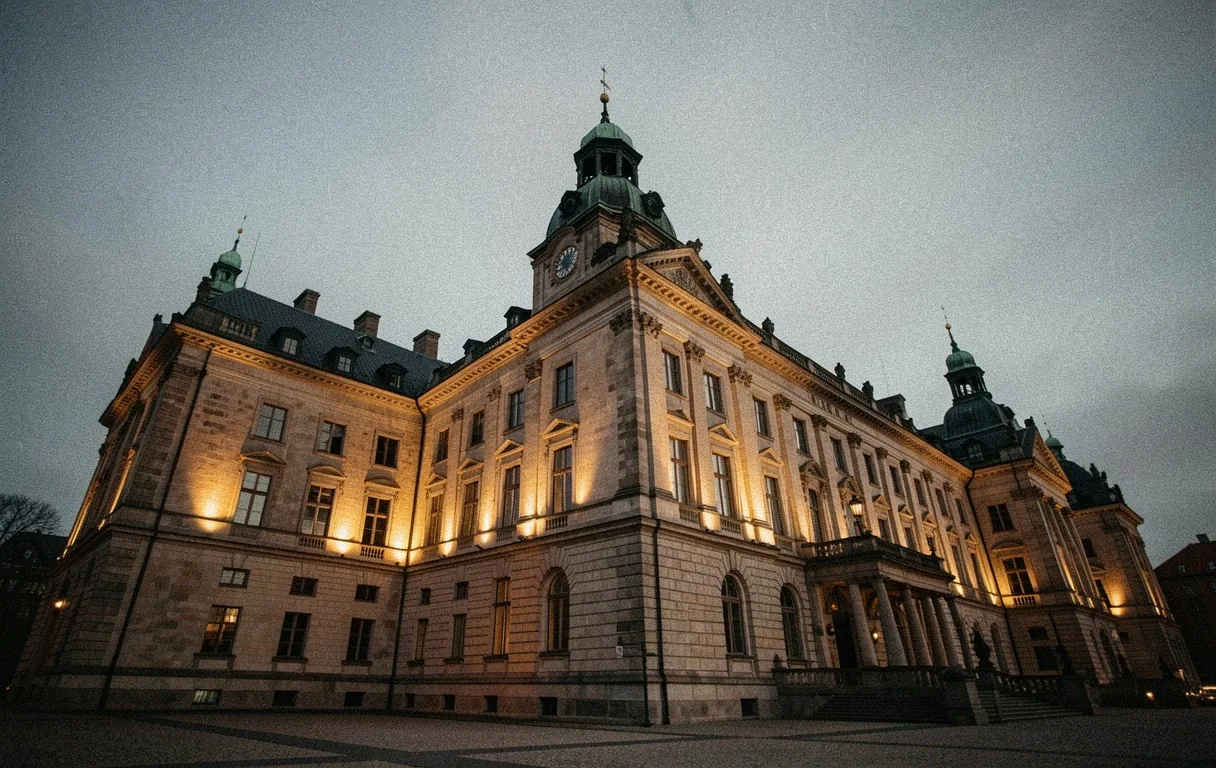
In-depth archival reporting on the Folketing. From legislative pivots to the granular shifts in coalition dynamics, we translate the complexities of Danish policy-making for the global observer.
Our political reporting is split into focused acts. We do not chase the sensation of the hour; we document the structural evolution of the state. Current dossiers focus on the healthcare reform and the green energy transition mandates.
Full transcripts and summaries of the latest bills introduced in the Folketing. We focus on legislative intent and long-term societal integration.
Explore RecordsReporting from behind the closed doors of committee hearings. We analyze how technical expertise shapes political consensus.
View BriefsMonitoring Denmark's aggressive zero-emission targets. Legislative breakdowns of energy subsidies, tax reforms, and maritime policy.
Impact AnalysisTracking the structural reorganization of the Nordic welfare model. Analysis of regional versus municipal responsibility shifts.
Reform Dossier| Policy Pillar | Current Coalition | Opposition Block | Structural Impact |
|---|---|---|---|
| Tax Reform 2026 | Focus on reducing capital gains for green startups and expanding municipal revenue pools. | Pushes for broader income tax brackets and higher levies on offshore carbon extraction. | High Volatility |
| Maritime Autonomy | Investment in automated port infrastructure at Esbjerg and Aarhus to secure Nordic trade lanes. | Suggests strategic neutrality in trade corridors with focus on private sector logistics grants. | Strategic Pivot |
| Digital ID (MitID 3.0) | Mandatory blockchain integration for citizen medical records and identity verification scripts. | Advocates for elective physical alternatives and higher privacy-first auditing layers. | Systemic Shift |
Last Ledger Sync: 2026-07-13 14:00 CET

Editor's Column
“The strength of the Danish model lies not in consensus, but in the structured disagreement that precedes it.”
In our latest deep-dive, Chief Analyst Morten Jensen explores the widening gap between urban maritime interests and the rural workforce as the automation bill enters its third reading.
This piece identifies key pressure points within the coalition government, specifically how minority parties are leveraging environmental mandates to secure regional healthcare funding. It is an exploration of political barter in an age of fiscal restraint.
Read Full AnalysisA comprehensive index of ongoing reports, documented by session year and policy category.
July 10, 2026
Analyzing the funding loopholes and environmental objections staling the North Sea energy connectivity project.
View Entry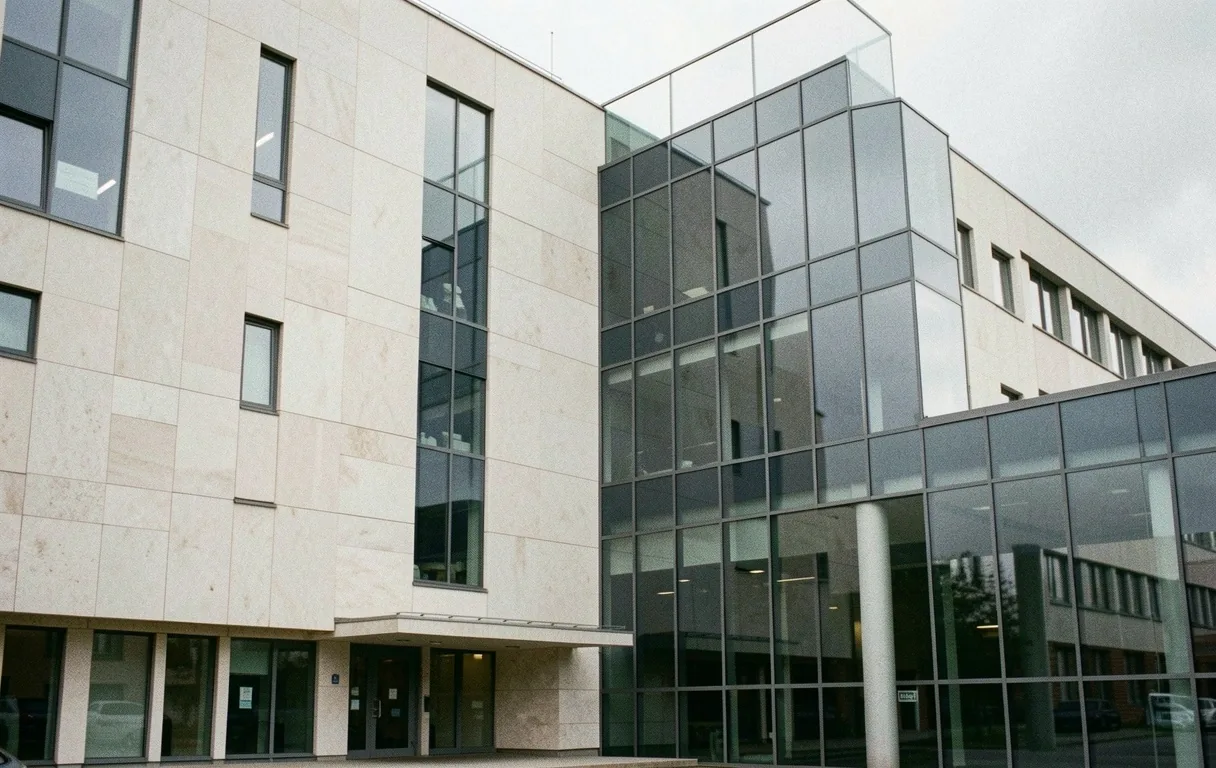
June 28, 2026
Can centralized data tracking save the regional hospital system without compromising individual Danish privacy laws?
View Entry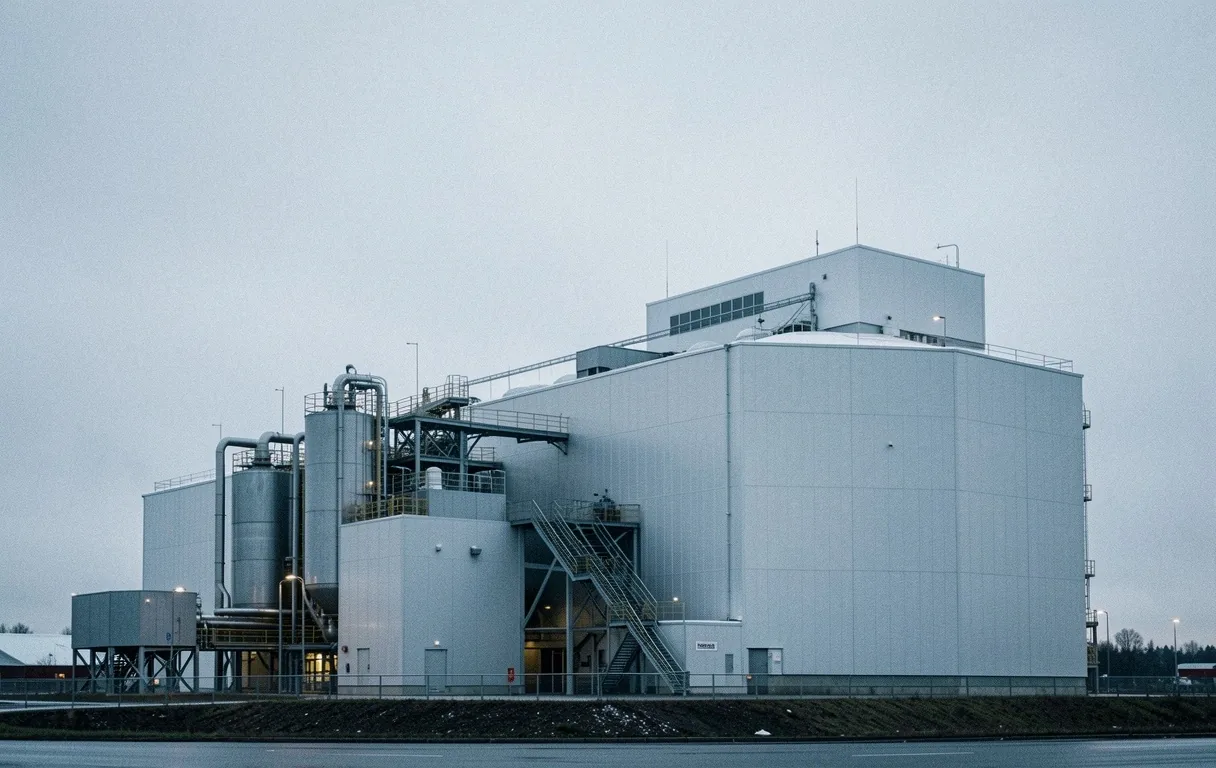
June 15, 2026
A breakdown of the upcoming agricultural carbon tax and the parliamentary sessions set to decide its rate.
View EntryEvery legislative summary we publish is cross-referenced with official parliamentary minutes from the Danish National Records. We ignore secondary hearsay.
Danish political idioms and party nuances are meticulously translated to ensure global readers grasp the weight of specific coalition movements.
All contributors to FMK Presse maintain strict conflict-of-interest declarations, ensuring that maritime or energy reporting remains purely documentary.

The Danish political landscape moves with deliberate speed. Prepare for monthly sessions by tracking key bills.
Environmental Tax Reading
Prepare for agricultural levy debates starting August 15th. Check current subsidies impact report.
Defense Spending Review
Monitor the Arctic security caucus responses to the new NATO maritime corridor funding proposals.
Public Sector Pay Accord
Review the triple-party consensus on inflation adjustments for municipal healthcare workers.
The Danish system differs significantly from Anglo-American models. Here we answer common structural questions for our international audience.
View All FAQsReporting centered in Esbjerg & Copenhagen.
Violvej 8 6710 Esbjerg V
Phone: +45 24 49 89 90
For deeper institutional access or specific policy inquiries, connect directly with our editorial team in Esbjerg.